There’s grids, then there’s serious grids. As the board of this game moves, I can’t be super pescriptive with this as the top corner of the map could in theory change. I like the off-axis grid. Others might hate that. See below for all the examples.
Firstly - a proper grid
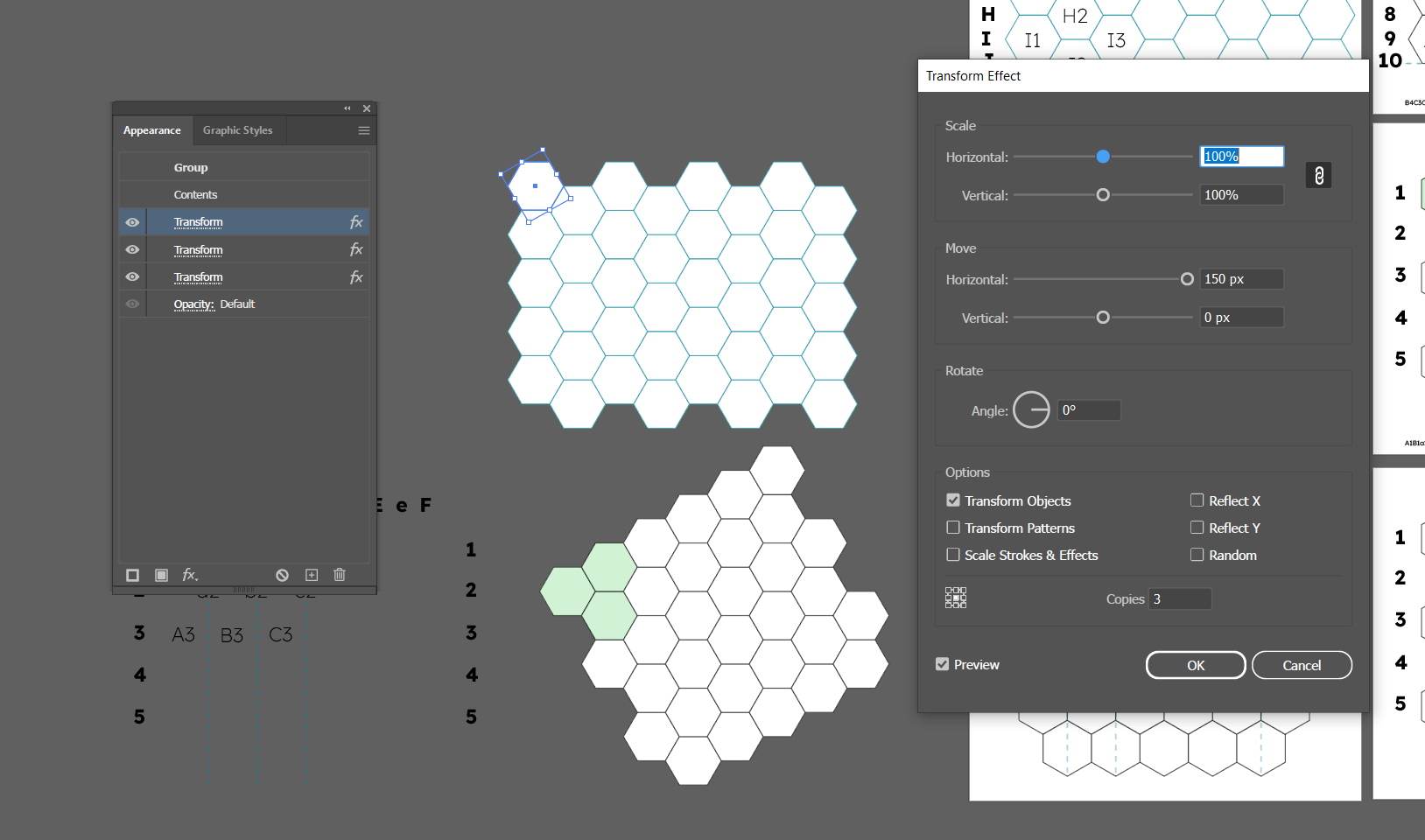
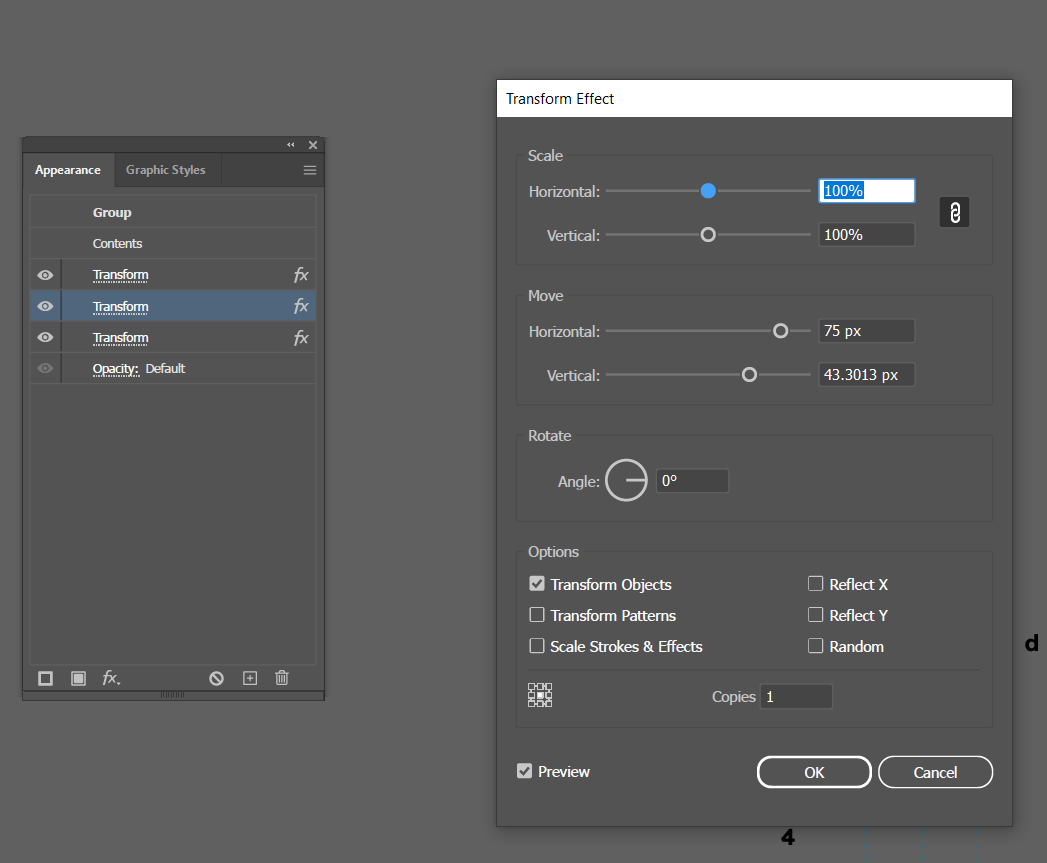
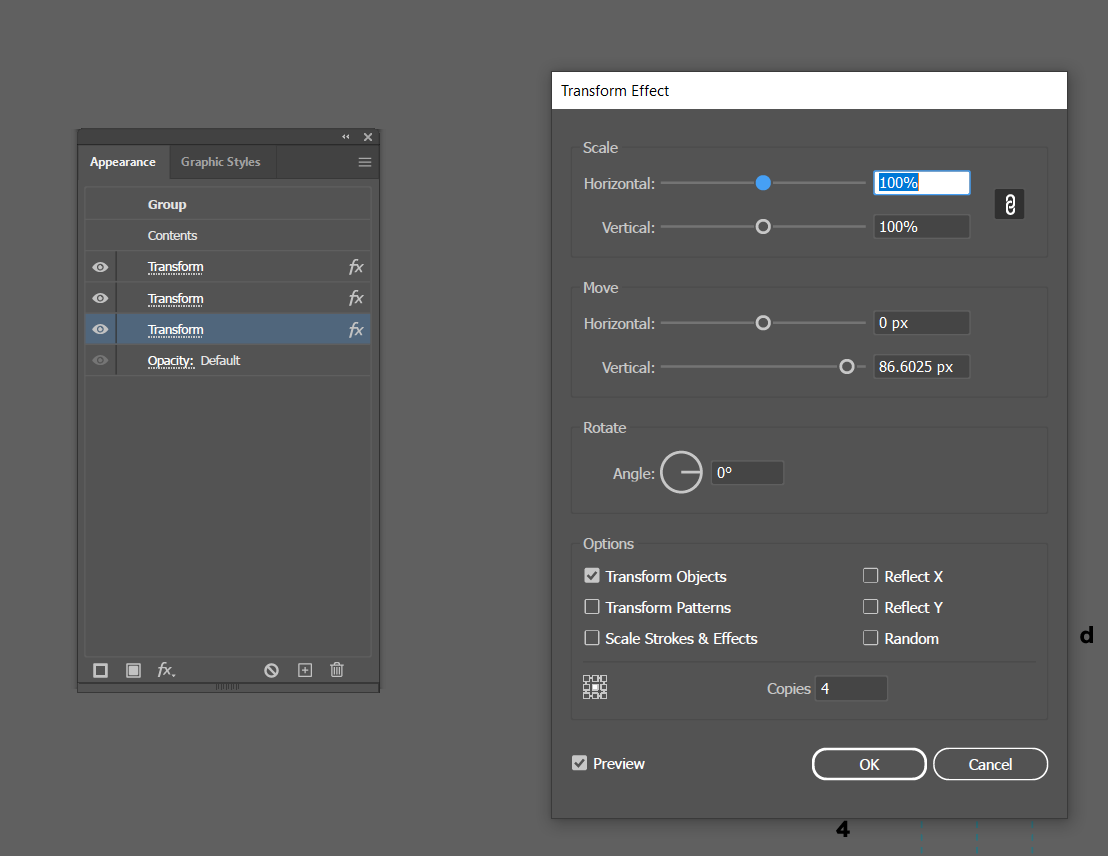
Finally got around to making a proper grid utilising 3 Transform Properties, I’d been manually moving the pieces around with snapping and patience. That eventually snapped when I wanted to create this. Here’s the 3 steps, the movement numbers are based off the original size of the hexagon:

Secondly - labelling
Point A1

This initial design makes a lot of sense until you realise you’re missing every second hex and the letters count up A, C,E etc. It’s not all bad, I just think it could be better.
Point Aa1

I was quite happy with this one, a little unconventional though helps you note when you’re passing through a mid gap.
Wait on - we’re flat tops here
This is the moment I realised all my diagrams use flat top hexagons. So, to keep on theme I changed my labelling system. I also realised that I should be considering how you would ’talk’ about the each island. So whether that would be Top first or Left first, then around clockwise.
Flat 1A

Probably the simplest but again ‘ACE’ counting. Meaning that the adjacent tiles don’t sound like they should be adjacent.
Flat 1Aa

This makes sense at first to me until I start looking too closely, the adjacent tiles make sense, but when you try and say it outloud..then you run into serious strife.
Flat A1

This works well for my brain 1,3,5 and 2,4,6 counting makes sense for the rows. See Doubled Coordinates from Red Blob Games. The only issue I have is you get into double digit numbers quite quickly in a 3-5 player game.
Slanted/Off axis
Slanted axis

I like this, it feels clean, but drawing the lines may be trickier to explain and some people dislike negative numbers. Also the spacing of the top row numbers isn’t pretty.

Conclusion?

Lava your comments here
Loading comments...